Growing Native Trees at Double T Family Farm
- ttfamfarm
- Apr 7
- 4 min read
At Double T Family Farm, we believe in the power of nature and the importance of nurturing our environment. One of the most impactful ways to contribute to a healthier ecosystem is by planting native trees. Native trees not only enhance the beauty of our landscapes but also support local wildlife and improve soil health. In this blog post, we will explore the benefits of growing native trees, the best practices for planting and caring for them, and how you can get involved in this rewarding endeavor.
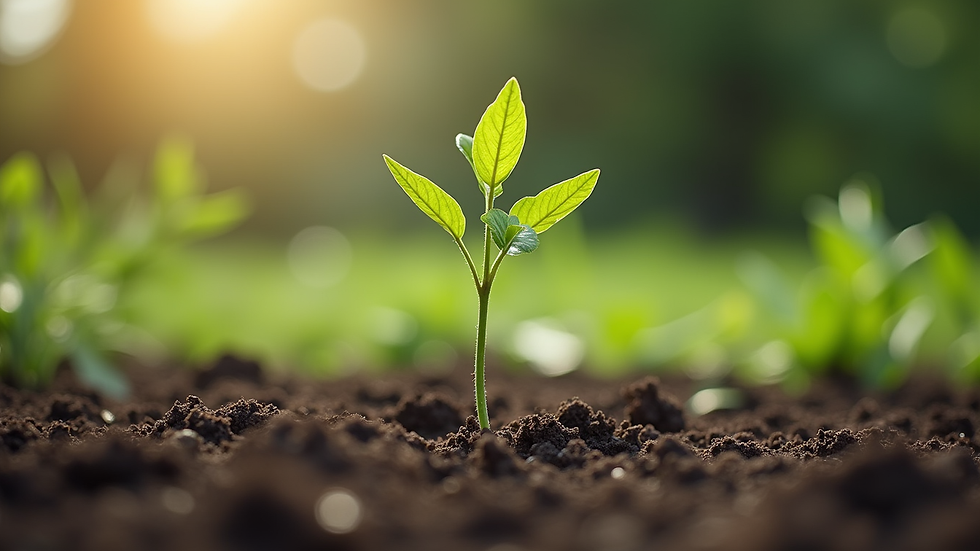
The Importance of Native Trees
What Are Native Trees?
Native trees are species that have evolved in a specific region and have adapted to the local climate, soil, and wildlife. They play a crucial role in maintaining the ecological balance of their environment. Unlike non-native species, which can sometimes become invasive, native trees support local ecosystems by providing food and habitat for native birds, insects, and other wildlife.
Benefits of Planting Native Trees
Biodiversity Support
Native trees create habitats for various species, promoting biodiversity. They provide food sources for birds, insects, and mammals, which in turn helps maintain healthy ecosystems.
Soil Health Improvement
The root systems of native trees help prevent soil erosion and improve soil structure. They also contribute to nutrient cycling, enriching the soil with organic matter.
Water Conservation
Native trees are adapted to local rainfall patterns and require less water once established. This makes them a sustainable choice for landscaping, especially in areas prone to drought.
Climate Resilience
By planting native trees, we can help mitigate the effects of climate change. They sequester carbon dioxide, improve air quality, and provide shade, which can help lower temperatures in urban areas.
Aesthetic Value
Native trees enhance the beauty of our landscapes. Their unique shapes, colors, and seasonal changes create a dynamic and visually appealing environment.
Choosing the Right Native Trees
Factors to Consider
When selecting native trees for your farm or garden, consider the following factors:
Climate Zone: Different trees thrive in different climate zones. Research which species are best suited for your area.
Soil Type: Test your soil to determine its pH and nutrient levels. Some trees prefer sandy soils, while others thrive in clay or loamy soils.
Space Availability: Consider the mature size of the tree and ensure you have enough space for it to grow without crowding other plants.
Recommended Native Trees
Here are some native trees that are well-suited for various regions:
Oak (Quercus spp.): Known for their strength and longevity, oaks provide excellent habitat for wildlife.
Maple (Acer spp.): These trees are celebrated for their stunning fall colors and adaptability to different soil types.
Pine (Pinus spp.): Pines are hardy trees that thrive in a variety of conditions and provide shelter for many species.
Dogwood (Cornus spp.): With beautiful flowers in spring and vibrant berries in fall, dogwoods are a favorite among gardeners.
Planting Native Trees
Best Practices for Planting
Timing: The best time to plant native trees is during the dormant season, typically in late fall or early spring. This allows the roots to establish before the growing season.
Site Preparation: Clear the planting area of weeds and debris. Dig a hole that is twice as wide as the root ball but no deeper than the root ball itself.
Planting Technique: Place the tree in the hole, ensuring that the top of the root ball is level with the soil surface. Backfill with soil and water thoroughly to eliminate air pockets.
Mulching: Apply a layer of mulch around the base of the tree to retain moisture, suppress weeds, and regulate soil temperature.
Watering: Newly planted trees require regular watering, especially during dry spells. Aim for deep watering to encourage deep root growth.
Caring for Your Native Trees
Pruning: Prune your trees as needed to remove dead or damaged branches and to shape the tree. This is best done in late winter or early spring.
Monitoring for Pests: Keep an eye out for pests and diseases. Native trees are generally more resistant to local pests, but it’s still important to monitor their health.
Fertilizing: Native trees typically require less fertilization than non-native species. If necessary, use organic fertilizers to promote healthy growth.
Community Involvement
How You Can Get Involved
At Double T Family Farm, we encourage community involvement in our native tree planting initiatives. Here are some ways you can participate:
Volunteer Days: Join us for volunteer days where we plant and care for native trees. It’s a great way to learn and connect with others who share your passion for the environment.
Workshops: Attend workshops on native tree identification, planting techniques, and ecological restoration. These sessions are designed for all skill levels.
Adopt a Tree Program: Consider adopting a native tree at the farm. You can help care for it and watch it grow over the years.
Educational Resources
We also provide educational resources for those interested in learning more about native trees and their benefits. Our website features articles, guides, and links to local conservation organizations.
Conclusion
Growing native trees at Double T Family Farm is not just about beautifying our landscape; it’s about fostering a healthier ecosystem for future generations. By choosing native species, we can support biodiversity, improve soil health, and contribute to climate resilience. Whether you’re a seasoned gardener or just starting, there’s a place for you in this important work. Join us in making a difference—one tree at a time.
Let’s cultivate a greener future together!


Comments